

Aspiring and practising dog trainers
Gain a new specialisation. You can start without prior knowledge.
Dog-assisted therapy course
Training dog-assisted therapy handlers and dogs for work in rehabilitation, adaptation and psychological support.
About the course
The course combines dog training with the foundations of dog-assisted therapy. You learn to select and prepare dogs, plan sessions and apply your knowledge in practice under specialist guidance.
Learn through direct interaction. Lectures are live: ask your teacher questions and discuss the material during class.
Gain a new specialisation. You can start without prior knowledge.
Psychologists, rehabilitation specialists, teachers, speech and language therapists, and volunteers.
Learn to prepare a dog and work in a field dedicated to helping people.
Discuss the role you intend to work in and the underlying qualifications it requires. This course does not replace education in medicine, psychology or rehabilitation.
Discuss the dog's selection, health and behaviour, an appropriate workload, working with clients and practical arrangements. A participant's diploma does not automatically confirm that any dog they own is ready for this work.
Course content
What you study on the course and how you apply that knowledge as a dog-assisted therapy handler.
Studying interaction with dogs in rehabilitation, adaptation and psychological support.
How to select a dog for the work and prepare it step by step to interact with people.
Applying knowledge in exercises and work with clients under the guidance of experienced specialists.
The detailed syllabus is not publicly available. Discuss the content
The learning process
Classes on Zoom, practical modules and mentor support. Daytime and evening study options.
Talk with your teacher in real time. Recordings are available for revision and missed classes.
Complete practical assignments with dogs. Your mentor provides help and feedback, including online.
The final stage is an assessment and a practical session with a client.

We invite our strongest graduates to work with rehabilitation programmes and NSHSS training centres.
Programme authors
Programme author
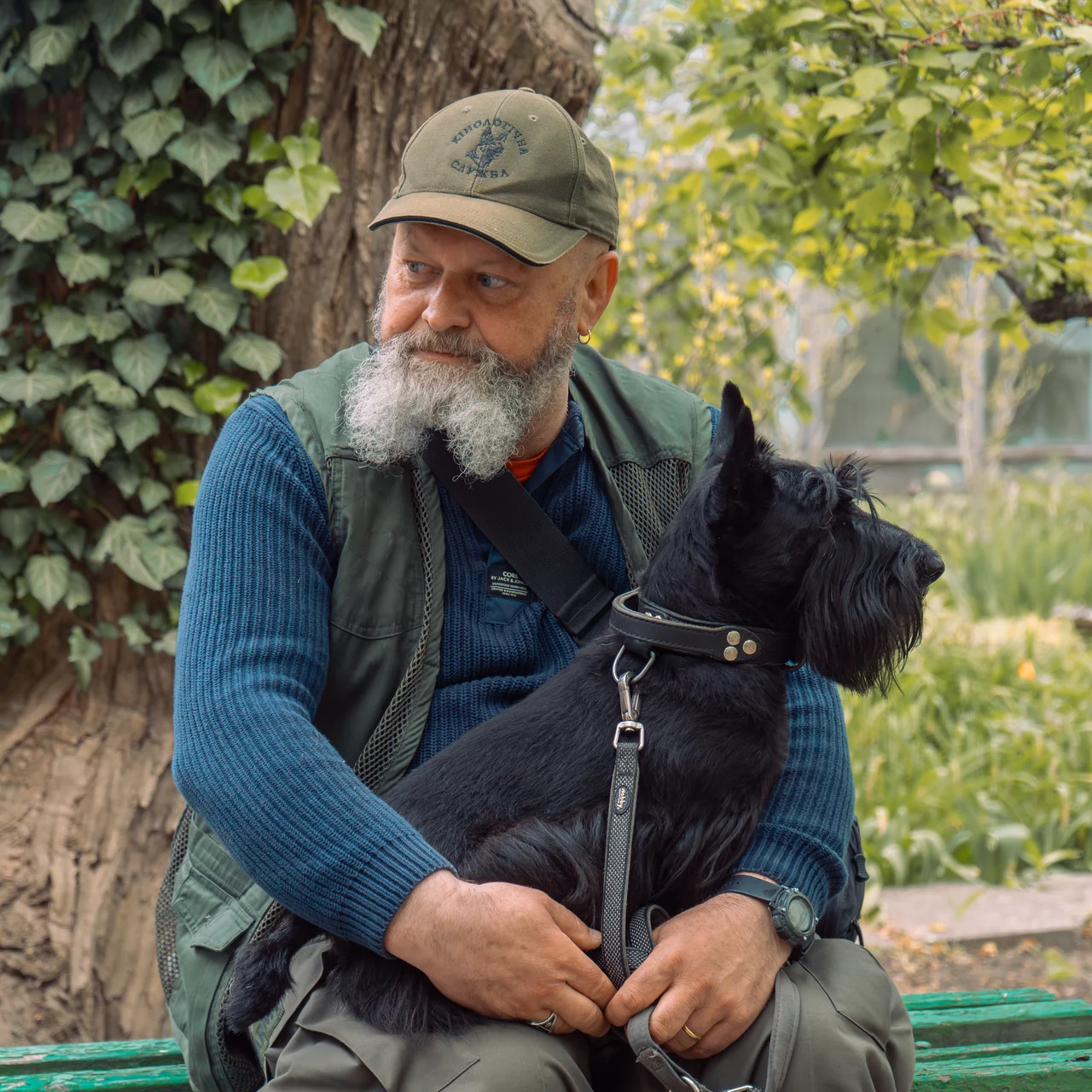
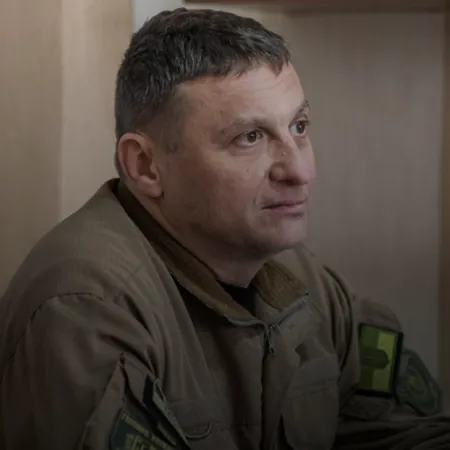
Service dog training instructor since 1986.
Head of the canine service of the International Police Corporation of Public Security
Programme author
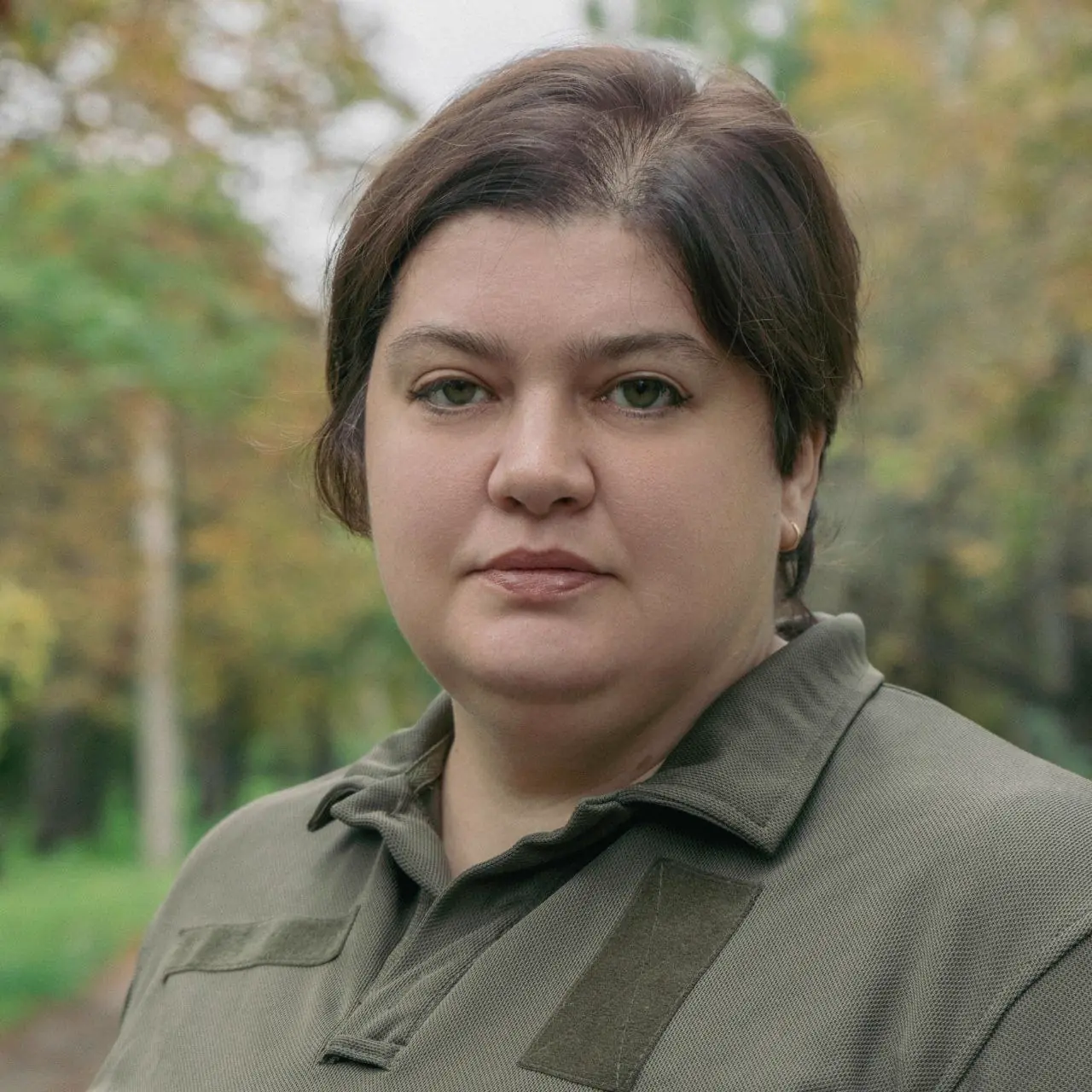
Category I service dog training instructor.
Senior lecturer at the National School of Service Dog Training.
Successful completion leads to a school-issued document confirming professional training. The NSHSS register reflects certification within the school's system. Requirements for working in your chosen country and professional permits must be checked separately.
Students' experiences
I am really enjoying everything. The syllabus is packed and there is a great deal of information. Work means I cannot always read everything on time, but I am glad there are so many materials. The programme meets my expectations and even exceeds them. I plan to keep developing in dog training and dog-assisted therapy, although I am still thinking about exactly how. The teachers explain everything clearly and interestingly. I am very happy with it all.

I previously trained as an instructor at the School of Service Dog Training, and now I have taken the next step and am studying dog-assisted therapy. The course is very practical and offers more information than I expected. It includes not just theory, but real examples and advice on how to work properly with people and dogs. That matters to me because more and more people in Ukraine now need support, and training specialists in this field really makes sense. I like the way the course gives you specific skills and an understanding of how to help people through working with dogs.
This is my second course at NSHSS. And it may be even more important than the dog training instructor course. This training gives you an understanding of ‘how it works’ and how you can help yourself and others. I believe basic knowledge about dogs and cats should be taught at school. It is good that this kind of education exists. Join us!
Review excerpt
Everything is wonderful! There is a lot of information, but it is perfectly possible to take it all in. Marichka makes her explanations very interesting, and Oleg Romanovich's teaching is very interesting too. The programme fully meets my expectations. I am very happy.
Everything is great! There is a huge amount of information, but that is exactly what I like. I plan to work as a dog-assisted therapy assistant, so all the information is very relevant to me. The teachers explain things well and respond quickly. I am happy with everything.
I really enjoy studying, and the teachers are very good. You can always ask a question: they will answer, give an example and explain it. I am a little behind with the syllabus and do not manage to finish everything — I need a little more time for this much material. The teachers also give us some really great exercises.
I am a little behind with the syllabus because of work, but overall I am enjoying everything. I cannot yet say whether the programme meets my expectations: I need a little more time to get a feel for it. But overall everything is good and interesting, and I like it all.
The longer I study on the course, the more I realise how little I know about dogs. There is so much useful information that helps me notice mistakes in how I raise my own dogs. I am very pleased with the course, everything is useful to me and the programme suits me perfectly.
The programme suits me perfectly, studying is not difficult and I am keeping up with everything — it is all great. I am a psychotherapist and grew up in a family of medical professionals, and much of what we study on the course confirms and adds to my knowledge. I have also spoken to many other schools, but our school suits me best because of its well-founded approach.
I really like everything, but I am a little behind with the syllabus. I really like the teachers. I have not yet been able to assess the programme fully because I cannot keep up with all the material — I need a little more time. In any case, I plan to come to Odesa for the exam.
Everything suits me; it is all interesting and clear. The programme suits me too, with lots that is new and interesting. The teachers explain things clearly. It is all great!
Your next step
Leave your contact details. The school team will explain the next intake, practical training and entry requirements.
+380 73 311 38 47All NSHSS contact detailsTell us what you would like to know about studying or practical training.
Before you start
Yes. The course is suitable for anyone seeking a new specialisation, including those with no prior knowledge of dog training. Participants include psychologists, rehabilitation specialists, teachers, speech and language therapists, volunteers and dog owners.
The syllabus is not publicly available. The main subjects are human–dog interaction, selecting and preparing dogs, organising sessions and practical work with clients under specialist guidance. You can discuss the content in detail with NSHSS team before enrolling.
Students in other cities receive online mentor support: practical assignments, reviews of their work with a dog and feedback. Check with NSHSS before enrolling how the practical modules and final client session will be arranged in your circumstances.
Lectures are live on Zoom. Recordings are available to revise the material and catch up on missed classes. You can discuss difficult questions with your teacher or mentor.
After six months of study, you complete a final assessment and a practical session with a client. On successful completion, you receive a diploma in professional training in dog training and dog-assisted therapy, and entry to the National School of Service Dog Training register in the appropriate category.