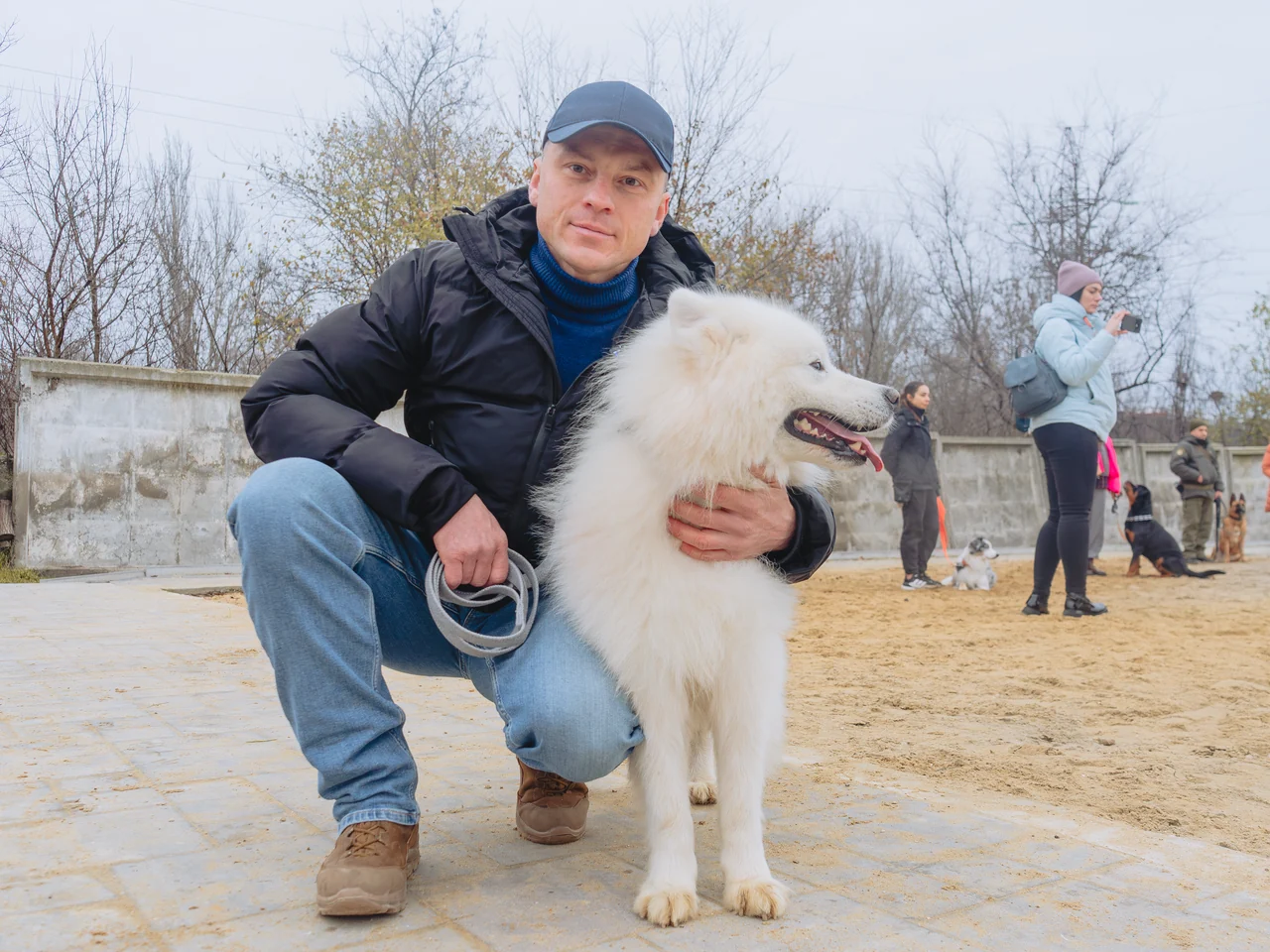
Lectures with a teacher
Discuss the material and ask questions during class. Recordings let you revise a topic or catch up on a missed session.

Dog trainer courses
Service dog instructor training from the ground up. Live lectures and practical work with a mentor.
About the course

For anyone who wants to work with dogs professionally. No experience is needed to start: progress from the basics to practical work and final exams.
Understand a dog's needs and the reasons behind its reactions.
Learn training and behaviour modification methods through practice.
Provide consultations and develop individual training plans.
6months of
training
No experience needed
Ask your teacher questions during class and get answers.
You can start without experience in dog training. Before enrolling, consider the time you will need for live lectures and independent practice, and agree how practical training will be arranged in your city.
Where you will train and with which dogs, who will supervise the practical work, how you will receive feedback and what is required for the final assessment.
The learning process
Discuss the material and ask questions during class. Recordings let you revise a topic or catch up on a missed session.
Practise your skills with dogs under an experienced instructor's guidance. Your mentor will offer advice and feedback.
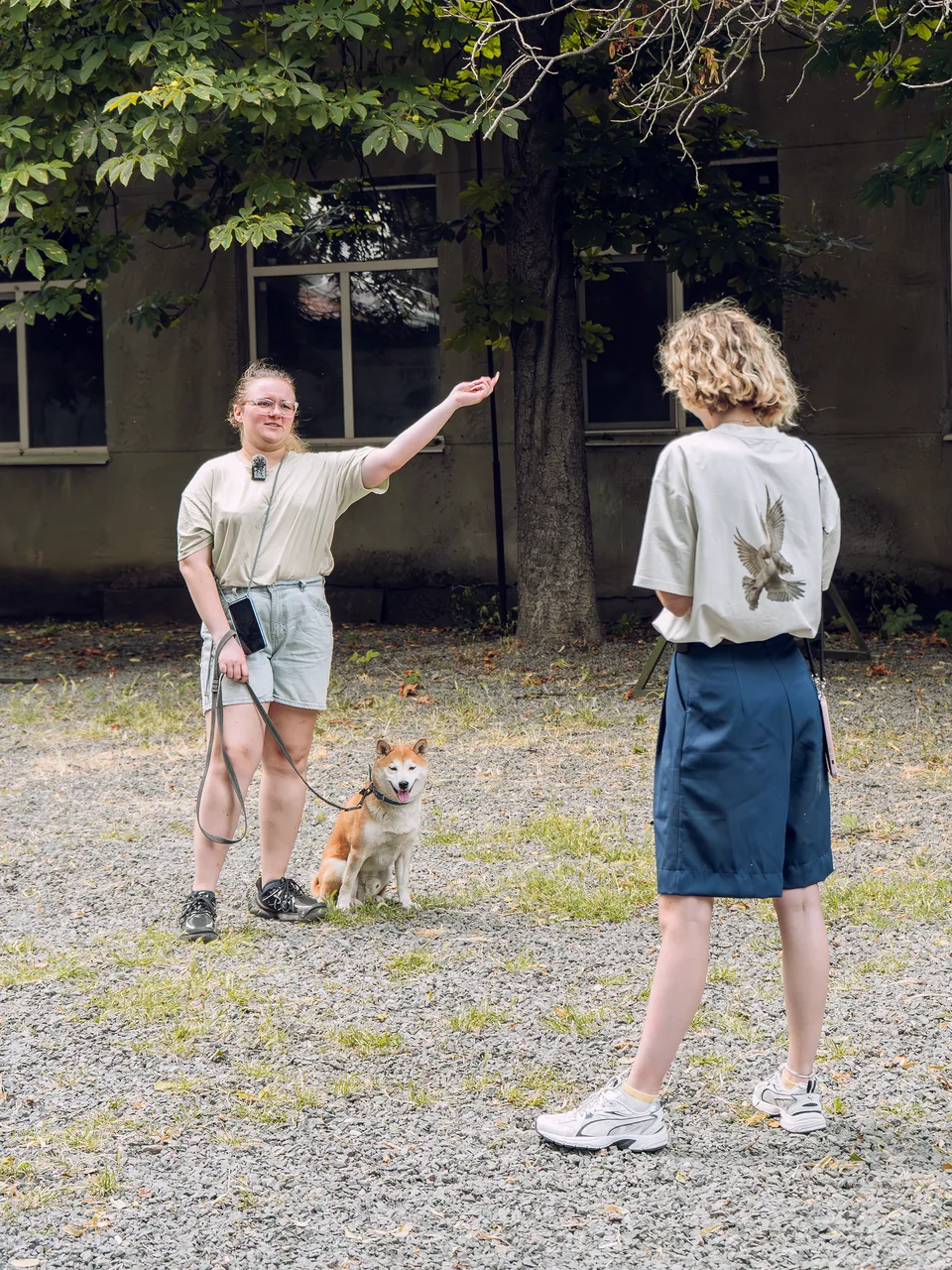
What you achieve
After you pass the final exams, the school awards a diploma in professional training. Certification and entry to the register are governed by NSHSS regulations.
No school in your city yet? You can do your practical training with online support from a mentor.
How online practical training worksOur strongest graduates are invited to work at the school. The team also helps graduates set up their own practice.
Course content
Nine areas of study. Open a topic to see what the training covers.
Understand how a dog's body, brain and nervous system work, and how they affect its behaviour.
Learn methods and techniques for training dogs of different breeds, from basic to advanced levels.
Skills and methods for handling challenging cases and modifying behaviour.
Study the scientific properties of scents, their effects on dogs, and how these can be used in training and work.
Basic veterinary knowledge, proper nutrition, coat and dental care, and more.
Study the principles of ethical treatment of dogs and understand their true needs.
Study canine behaviour in natural conditions. In training, ethology provides the foundation for understanding canine psychology.
Skills for working with dog owners, providing consultations and developing individual plans.
Practical training under an experienced dog trainer, working with different dogs in real-life settings.
The people behind the programme
Practical experience in service dog training and instructor education.

Programme author
Head of the canine service of the International Police Corporation of Public Security

Programme author
Chair of the expert assessment committee of the police academy's canine faculty
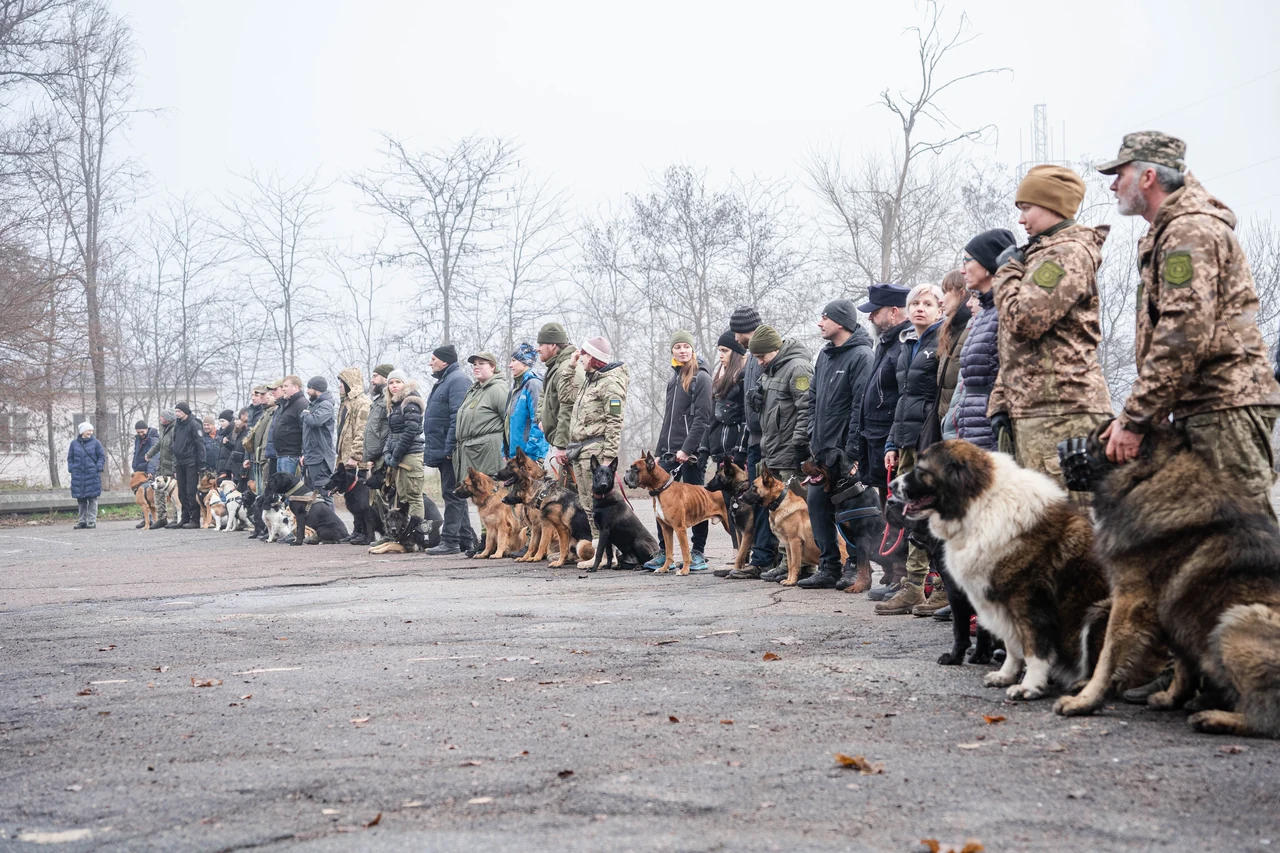
Students' experiences
23 reviews from participants in different study groups. About learning, practical work and their first steps in the profession.

‘The teachers are wonderful, it is a good course and students receive a great deal of attention. The feedback is excellent: they explain and discuss the material in detail, even if it has already been covered several times. If other…’
The teachers are wonderful, it is a good course and students receive a great deal of attention. The feedback is excellent: they explain and discuss the material in detail, even if it has already been covered several times. If other interesting courses become available, we will definitely take them. What I liked most was being able to study around my own schedule: because of my service duties, I cannot always attend the online sessions.

‘I am enjoying continuing my studies. Your teachers are simply excellent! It is more than a school; it is a whole community. You can see how everyone puts their heart and soul into working with dogs. That is so motivating.’
I am enjoying continuing my studies. Your teachers are simply excellent! It is more than a school; it is a whole community. You can see how everyone puts their heart and soul into working with dogs. That is so motivating.

‘It is only the beginning of the third week of the course, and my relationship with my dog — an eight-month-old German Shepherd — has already improved. She has stopped biting and pays more attention to me, and I to her. From the very first lessons on nutrition…’
It is only the beginning of the third week of the course, and my relationship with my dog — an eight-month-old German Shepherd — has already improved. She has stopped biting and pays more attention to me, and I to her. The very first lessons on canine nutrition dispelled many myths: I learnt that fresh food and commercial dog food can be combined without harming the dog. But what surprised me most was the depth of academic knowledge provided on every topic. For example, today's lecture was about neurotransmitters. One woman who had studied psychology said at the end that this was university-level material she had already covered. And we are learning it on a dog training course! I am currently preparing for the IB Biology HL exam, and the dog training lecture helped me better understand how signals are transmitted in neurons and how neurotransmitters are formed. Even the terminology makes more sense now. Saying I am delighted would be a huge understatement. I love it!

‘Everything is good: the lectures explain things in detail, everything is clear and all questions are answered, so I have no complaints. I expected less information and was pleased that everything was explained so thoroughly. I really enjoyed the courses.’
Everything is good: the lectures explain things in detail, everything is clear and all questions are answered, so I have no complaints. I expected less information and was pleased that everything was explained so thoroughly. I really enjoyed the courses.

‘Everything is very interesting. I really like the fact that all lectures are recorded: sometimes work means I cannot watch a lecture, but there is a recording I can always watch when I have time. And if further…’
Everything is very interesting. I really like the fact that all lectures are recorded: sometimes work means I cannot watch a lecture, but there is a recording I can always watch when I have time. And if further questions come up, I can always ask the teachers and they respond. Overall, I am really enjoying everything.
‘During the Dog Training Instructor course, I gained a strong theoretical grounding in the history of dog training in Ukraine and worldwide, canine anatomy and physiology, psychology, scent science, applied ethology, veterinary care and the fundamentals…’
Review excerpt
During the Dog Training Instructor course, I gained a strong theoretical grounding in the history of dog training in Ukraine and worldwide, canine anatomy and physiology, psychology, scent science, applied ethology, veterinary care and the fundamentals of training guide dogs for blind people. The course uses a convenient format of lectures with interactive feedback on Zoom. I am deeply grateful to our mentors and teachers for the opportunity to learn! I recommend this exceptional educational institution! Wishing you peace, kindness and prosperity!
‘Thank you all for this course! Thank you to everyone who walked beside us with determination, with patience in their hearts and light in their words. Thank you to the teachers and all those patient people — for the knowledge, support and belief.’
Thank you all for this course! Thank you to everyone who walked beside us with determination, with patience in their hearts and light in their words. Thank you to the teachers and all those patient people — for the knowledge, support and belief.
‘Really great teachers. I have no regrets about studying with them. They explain everything very clearly and simply. There is so much information: from getting to know a dog to proper training and first aid. Now…’
Really great teachers. I have no regrets about studying with them. They explain everything very clearly and simply. There is so much information: from getting to know a dog to proper training and first aid. I now understand my dog without difficulty.
‘Thank you for the courses I chose to take with you. Thank you for the knowledge and your love for animals. Thank you for your philosophy of “with love and understanding”.’
Thank you for the courses I chose to take with you. Thank you for the knowledge and your love for animals. Thank you for your philosophy of ‘with love and understanding’.
‘Thank you for making my dream come true! High-quality, accessible teaching with wonderful teachers who love what they do.’
Thank you for making my dream come true! High-quality, accessible teaching with wonderful teachers who love what they do.
‘Thank you so much! I came to study simply for myself: I wanted to understand my dog better, build a deeper connection and interact more confidently. But this course turned out to be a real…’
Thank you so much! I came to study simply for myself: I wanted to understand my dog better, build a deeper connection and interact more confidently. But this course turned out to be a real revelation! The teachers are incredibly professional, experienced and sincerely dedicated to their work. They always explain even the most difficult things clearly, treat every student with respect and create an atmosphere of support and trust. Now I am no longer just a dog owner, but someone who dreams of working with animals, helping other owners understand their pets better and making their lives together more harmonious. I have become so passionate about it that I dream of opening my own school! My heartfelt thanks to the whole school team for the inspiration, knowledge and belief that everyone can become a better person for their dog.
‘Thank you to the best teachers! If only there were more teachers like Aleksandra Zhizhnevskaya and Oleg Radomyslsky!’
Thank you to the best teachers! If only there were more teachers like Aleksandra Zhizhnevskaya and Oleg Radomyslsky!
‘My classes at your school started on Saturday, and I am overflowing with joy at being part of this course. The teacher is a true gift! Every word he says carries deep wisdom, strength and knowledge. I am proud…’
My classes at your school started on Saturday, and I am overflowing with joy at being part of this course. The teacher is a true gift! Every word he says carries deep wisdom, strength and knowledge. I am proud to have the honour of learning from such people — examples of greatness and inspiration, people in the truest sense of the word. And right now we are having a class with Aleksa Wolf! She is so cool!
‘A huge thank you to Oleg Romanovich Radomyslsky, Valery Borisovich Vysotsky and all the school's teachers for their professionalism, humanity and dedication to their work. It was at this school, on this course, that I could always…’
A huge thank you to Oleg Romanovich Radomyslsky, Valery Borisovich Vysotsky and all the school's teachers for their professionalism, humanity and dedication to their work. It was at this school, on this course, that I could always ask any questions about dogs, training or canine nutrition and receive an answer. By understanding animals — dogs, in my case — I was able to understand myself, my family, my pack, and the people around me better. I wish the club, its leaders and teachers good health, positivity, patience and inspiration. May there be more curious students who share with others the culture and value of humans and dogs living together.
‘You are the best school in the world, with the best teachers. You cannot imagine how proud I am to study with Oleg Romanovich, Sergey and Oksana. Having these people share their experience with us is a real treasure. I…’
You are the best school in the world, with the best teachers. You cannot imagine how proud I am to study with Oleg Romanovich, Sergey and Oksana. Having these people share their experience with us is a real treasure. I am very grateful to the school and to Oleg Romanovich for his work and knowledge, for bringing together the best teachers and doing everything he can to help the Ukrainian dog training profession flourish. Thank you!
‘My experience of the training was entirely positive. I really enjoyed the course: both the presentation and explanation of the material were excellent. Whenever we had more questions, we could always ask the teachers. As…’
My experience of the training was entirely positive. I really enjoyed the course: both the presentation and explanation of the material were excellent. Whenever we had more questions, we could always ask the teachers. As someone involved in education, I noticed how methodically they taught the material. I really appreciated that.
‘I have no complaints, I enjoyed everything and all the information was very useful. I liked the format: there is a lot of information, but the teachers explain it clearly, and we covered each topic in roughly one or two sessions. This format really…’
I have no complaints, I enjoyed everything and all the information was very useful. I liked the format: there is a lot of information, but the teachers explain it clearly, and we covered each topic in roughly one or two sessions. This format really suited me because I do not like a big topic being stretched out over several weeks.
‘Everything was good, I enjoyed it all and honestly have nothing to complain about. I have worked with dogs for many years and never once regretted deciding to take the courses. The material was very interesting and the teachers were good too. Whenever…’
Everything was good, I enjoyed it all and honestly have nothing to complain about. I have worked with dogs for many years and never once regretted deciding to take the courses. The material was very interesting and the teachers were good too. Whenever further questions came up — there is quite a lot of material, after all — I always got answers, so there were no gaps left. Overall, the material was presented clearly. Personally, I did not find it difficult at all: my many years of working with dogs made studying a little easier.
‘The presentation and quality of the material and communication with teachers are all very good. The course itself is quite demanding: I had imagined it a little differently, but it provides serious academic knowledge, as though I were back at university. The course…’
The presentation and quality of the material and communication with teachers are all very good. The course itself is quite demanding: I had imagined it a little differently, but it provides serious academic knowledge, as though I were back at university. The course goes into real depth. On the one hand, that is wonderful; on the other, it is challenging because there is so much information, covering such varied subjects, including veterinary medicine and neurology. It can be difficult at times, especially when there is a lot of specialist terminology, but the teachers try to explain things in their own words to make them clearer. It is good that you can ask them for help and work through those points.
‘I like the courses: the material and the way it is presented are all very interesting. Communication with the teachers is good too: whenever needed, they go through everything and explain it in detail. I am happy with that. Overall, no complaints.’
I like the courses: the material and the way it is presented are all very interesting. Communication with the teachers is good too: whenever needed, they go through everything and explain it in detail. I am happy with that. Overall, no complaints.
‘I am completely satisfied with the courses: the quality of the materials, the presentation and the feedback — I like everything and have no complaints.’
I am completely satisfied with the courses: the quality of the materials, the presentation and the feedback — I like everything and have no complaints.
‘I like everything: the teachers are interesting to listen to, the material is very interesting and there is nothing to complain about. The teachers are wonderful and always offer advice and help when needed. My experience has been entirely…’
I like everything: the teachers are interesting to listen to, the material is very interesting and there is nothing to complain about. The teachers are wonderful and always offer advice and help when needed. My experience has been entirely positive.
‘I really like it, the teachers are brilliant! They answer every question at any time. Everything is easy to understand.’
I really like it, the teachers are brilliant! They answer every question at any time. Everything is easy to understand.
Before you enrol
Yes. The course begins with the basics of canine behaviour and training. You will need to set aside time for live sessions and practical work. Discuss practical arrangements and mentor support in your city before enrolling.
The basics of canine biology, physiology and behaviour, teaching skills, working with owners and practical training. This page outlines the main subjects; ask the school for details of the topics and assessments before paying.
A mentor supports your practical training. Agree access to dogs and a training venue, how feedback will be provided and the requirements for your final work in advance. Availability of a particular format depends on your location.
After you pass the final exams, the school issues a document confirming professional training. NSHSS certification and the right to work in a particular country are separate matters. Check local requirements and any necessary permits before starting professional practice.
The school will confirm the next intake date. The course lasts 6 months at $102.58 per month, totalling $615.48. Paying for the full course upfront gives you a 15% discount: $523.16. Read the contract and cancellation terms before paying.
Discuss your experience, the work you hope to do and the time you can devote to studying with the school team. A dog trainer works with both dogs and their owners. A diploma alone does not guarantee employment, income or the opportunity to open a branch.
The next step
Leave your contact details and city. The school team will help you understand the training formats and explain how to join a group.
Prefer to message us directly?
Message us on Telegram support@dogschool.od.ua